Updated on November 20, 2026
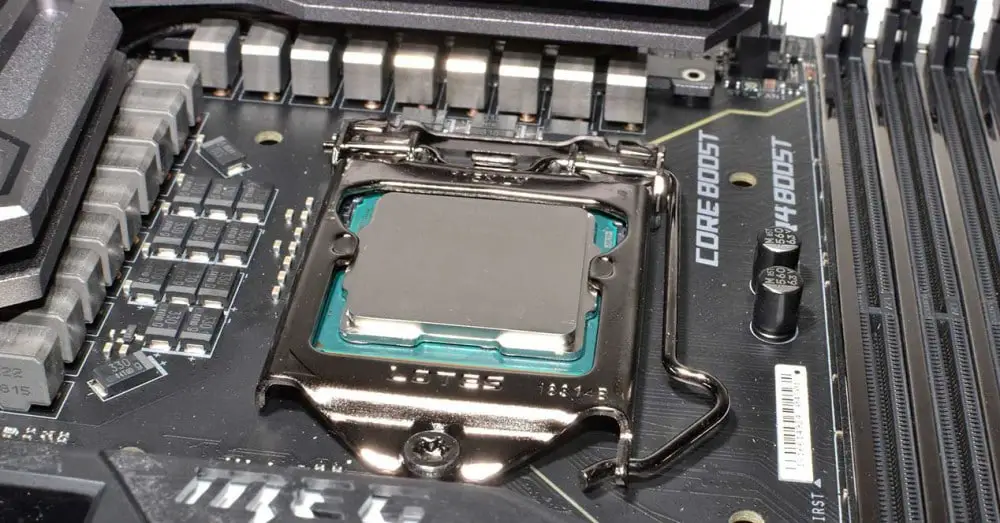
CPU TCase refers to the temperature at the processor’s case. For a socketed Intel CPU with a metal heat spreader, Tcase Max is a specification for the temperature at the top of that heat spreader under the manufacturer’s test conditions. A PC monitoring app usually shows temperatures from sensors inside the processor, so check the label before comparing numbers. See Intel’s explanation of processor temperatures.
Compare TCase, Tjunction, and CPU Package Temperature
| Name | What It Describes | When It Helps |
|---|---|---|
| TCase or Tcase Max | The case temperature, or the manufacturer’s limit for that measurement. | Designing or validating cooling on processors with a published case-temperature specification. |
| Tjunction or core temperature | A temperature measured inside the processor, using on-chip sensors. | Watching how the chip heats up during a workload. |
| Tjunction Max, Tj Max, or a maximum operating temperature | A model-specific junction temperature limit, as defined by the manufacturer. | Checking whether an internal reading is approaching the temperature where the chip can reduce power or performance. |
| CPU Package, Tctl, or Tdie | A reading or control value reported by the processor and software. The meaning depends on the model and the tool. | Tracking that processor’s temperature while checking the vendor’s definition of the reading. |
Which Temperature Should You Watch on Your PC?
- Find the exact processor model in Task Manager > Performance > CPU in Windows, or in the system information screen.
- Look up the model on Intel ARK or in AMD’s processor specifications. Read the temperature field and its label.
- Open a hardware monitor and note the names of its CPU sensors. Our HWMonitor guide shows where common sensor readings appear.
- Watch temperatures, clocks, and any thermal throttling indication together during a representative workload. When measuring internal CPU temperature, use the manufacturer’s matching internal temperature specification for that model.
A CPU package or core temperature can be higher than a published Tcase Max because they refer to different places. The difference changes with workload and cooling. If temperatures stay near the model’s junction limit and the CPU drops speed under load, check airflow, fan operation, and the cooler mount.
Why Older CPU Listings Often Show TCase
Older processor specifications often give case temperature to help system builders check the cooler’s performance under a defined test. Many newer product pages are more useful for day-to-day monitoring because they publish Tjunction or a maximum operating temperature. If a spec sheet gives you both, match the label to the sensor or test you’re using.
Frequently Asked Questions
Can an App Measure TCase on My PC?
Most apps read sensors built into the processor or motherboard. A true case-temperature test calls for the measurement setup described by the processor maker.
Is CPU Package Temperature the Same as TCase?
Usually the package reading comes from internal chip sensors. TCase is a measurement at the case or heat spreader, so use the matching limit for each.
Can I Convert TCase to Tjunction by Adding a Fixed Number?
There’s no fixed conversion. The temperature difference depends on the processor, power use, cooling, and measurement conditions.
Is One Temperature Limit Safe for Every CPU?
Use the specification for your exact model. Look up how it defines the limit and watch for sustained throttling or sudden changes from that PC’s usual temperatures.